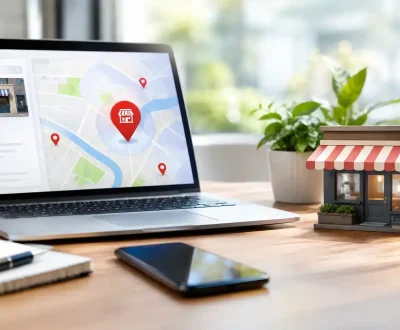
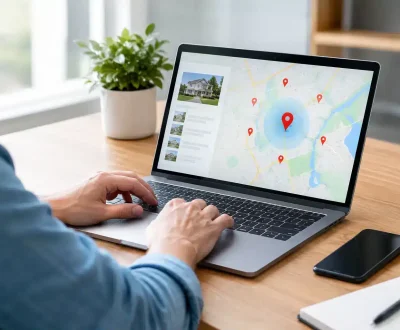
A Jacksonville homeowner searching “roof repair near me” is not looking for a marketing strategy. They want a reliable company they can call before the next storm. What affects local search rankings is Google’s effort to match that urgent search with the most relevant, trusted, and nearby business.
For local service businesses, visibility is not a vanity metric. A stronger position in Google Maps and local organic results can produce more calls, appointment requests, estimate forms, and booked jobs. The challenge is that local rankings do not come from one setting, one batch of reviews, or a single page on your website. They come from a connected set of signals that Google evaluates over time.
What Affects Local Search Rankings in Google?
Google generally frames local visibility around three ideas: relevance, distance, and prominence. Those categories are useful, but they are not a simple formula. A business cannot control a searcher’s location, for example, but it can make its services, service area, reputation, and online information far easier for Google to understand.
Relevance answers whether your business is a strong match for the search. Distance reflects how close the business is to the person searching or to the location included in the query. Prominence is the broader evidence that the business is established, credible, and well regarded.
The highest-performing local search programs improve all three where possible. A well-built Google Business Profile without a useful website may struggle against a competitor with stronger service pages and authority. A polished website without reviews or accurate local listings may fail to earn Map Pack visibility. Local SEO works best when every piece supports the same business story.
Your Google Business Profile Is a Core Ranking Asset
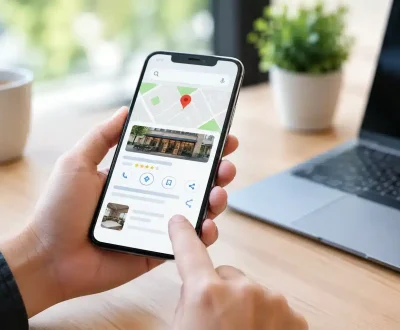
Your Google Business Profile is often the first place a prospective customer encounters your business. It supplies the information Google uses to show you in Maps, the Map Pack, and branded searches. Incomplete or inconsistent profiles make it harder for Google to confidently present your business for relevant searches.
Start with the fundamentals: your legal business name, correct address or properly configured service area, local phone number, primary website URL, accurate hours, and precise business categories. The primary category deserves careful attention because it tells Google what your business is principally known for. A Jacksonville landscaping company should not select a broad category simply because it sounds appealing if a more specific, accurate option exists.
Additional categories can help explain legitimate services, but adding every remotely related category can create confusion. The same principle applies to services. List the real work you perform, use customer-friendly language, and keep descriptions aligned with the services described on your site.
Photos, posts, products where relevant, business attributes, and regular profile updates also contribute to a more complete customer experience. They are not substitutes for strong fundamentals, but they can improve engagement and give searchers more confidence to contact you.
Accuracy Matters More Than Activity for Its Own Sake
A profile does not need daily posts to rank. It does need accurate, current information. Seasonal hours, holiday closures, moved office locations, disconnected phone numbers, and outdated service details create friction for customers and weaken trust signals.
For businesses that serve customers at their location, address accuracy is especially consequential. For service-area businesses, following Google’s rules about hiding a residential address and defining service coverage is equally necessary. Trying to manipulate proximity with virtual offices, keyword-stuffed names, or ineligible locations can create short-term disruption and long-term listing risk.
Reviews Build Trust and Influence Local Visibility
Reviews are a direct conversion factor because people read them before they call. They are also a meaningful local visibility signal. Businesses with a consistent flow of authentic, detailed feedback tend to look more established than competitors with a handful of old reviews.
The quality, recency, quantity, and relevance of reviews all matter. A review that mentions a specific service, neighborhood, or outcome can provide useful context, but businesses should never script customer language or pressure people to include keywords. The goal is an honest review process that reflects the work you actually deliver.
Ask for feedback soon after a successful job, when the experience is fresh. Make the request routine for your team rather than a one-time campaign. Then respond professionally to both positive and negative reviews. A thoughtful response will not erase a poor experience, but it demonstrates accountability to future customers evaluating your business.
Avoid review gating, incentive schemes that violate platform policies, or sudden bursts of suspicious reviews. Those tactics can undermine the credibility a reputation program is meant to build.
Your Website Must Confirm Local Relevance
Google Business Profile optimization alone rarely creates durable local growth. Your website gives search engines deeper evidence about what you do, where you work, and why your business is qualified to do it.
Each core service deserves a clear, useful page. A pest control company, for example, should not expect one generic services page to compete for termite treatment, mosquito control, rodent exclusion, and commercial pest control searches. Separate service pages allow you to explain the problem, the process, the service area, common questions, and the next step for the customer.
Location pages can be effective when they offer unique value. A page for Ponte Vedra or St. Johns should not be the same text with a city name swapped out. It should reflect genuine service coverage, local project context, relevant customer concerns, and accurate operational details. Thin city-page campaigns may create dozens of URLs, but they rarely build long-term authority.
Technical Quality Supports Local Rankings
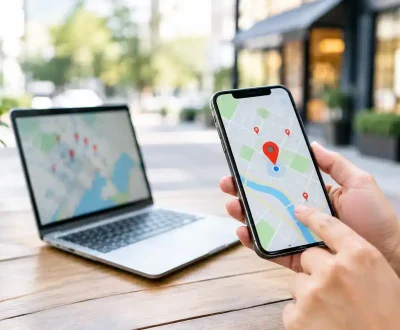
A slow, confusing, or poorly maintained website can lose leads even when it earns traffic. Mobile usability is particularly significant because many local searches happen from a phone, often when the customer is ready to act.
Clear navigation, prominent calls to action, click-to-call functionality, fast-loading pages, secure hosting, and accessible contact information support stronger user experiences. Structured data and schema markup can help search engines interpret business details, services, reviews, FAQs, and organizational information. They do not guarantee rankings, but they reduce ambiguity and strengthen the technical foundation for search and AI-powered answer platforms.
Local Authority Comes From Consistent Evidence
Prominence is built through signals beyond your own website and Google profile. Google can evaluate mentions of your business across trusted directories, local publications, industry sites, professional organizations, and community resources. Consistency matters: your business name, address, phone number, and website should match across significant listings.
A citation on a low-quality directory is not a growth strategy. Prioritize accurate profiles on platforms your customers and industry actually use, then correct duplicates and outdated information that can confuse search engines or send calls to the wrong number.
Local links and mentions can carry more value when they are earned through real participation. Sponsoring a local event, contributing expertise to a community organization, joining an industry association, or completing noteworthy local projects may create credible opportunities for visibility. The objective is not to collect links at any cost. It is to build verifiable local relevance around a real business.
Searcher Behavior and Competition Change the Outcome
No agency or business can promise the same local ranking for every person. Results vary by the searcher’s exact location, device, search history, query wording, and the competitive landscape. A law firm may rank strongly for branded searches and neighborhood-specific terms while facing tougher competition for broad citywide queries.
Google also pays attention to how people interact with local results. Calls, direction requests, website visits, review activity, and other engagement signals can reflect customer interest, though Google does not publish a complete weighting system. The practical takeaway is straightforward: make it easy for qualified prospects to choose you once they find you.
This is why an attractive listing image, compelling review profile, accurate hours, and a fast service page can matter as much as moving one position higher. Visibility only creates value when it leads to action.
Build a Local Search System, Not a Checklist
Local ranking gains are often uneven. A profile cleanup may produce an early lift, while website authority and competitive service pages take longer to show results. The right priorities depend on your starting point: a new business may need foundational listings and reviews, while an established company may need better service-page depth, reputation consistency, or technical cleanup.
Kelly Advantage approaches local visibility as a connected lead-generation system. Google Business Profile management, website performance, review strategy, local content, structured data, and reporting should work together to increase qualified calls rather than create isolated marketing activity.
The practical next step is to look at your business the way a customer and search engine do: Can they quickly verify what you offer, where you serve, why you are credible, and how to contact you? Closing those gaps consistently gives your local visibility a much stronger place to grow.
About us and this blog
We are a digital marketing company with a focus on helping our customers achieve great results across several key areas.
Request a free quote
We offer professional SEO services that help websites increase their organic search score drastically in order to compete for the highest rankings even when it comes to highly competitive keywords.
Subscribe to our newsletter!
More from our blog
See all posts