A homeowner with a ceiling stain is not researching roofing for fun. They are looking for a company they can trust to answer the phone, inspect the problem, and provide a clear next step. That urgency shapes how to generate roofing leads: your marketing must put your company in front of high-intent local searches, then make contacting you feel easy and low-risk.
For roofing companies, more traffic is not the goal. Qualified calls, inspection requests, insurance-restoration opportunities, and booked jobs are the goal. The strongest lead-generation systems connect local visibility, a credible website, fast follow-up, and reputation signals that reduce hesitation before a homeowner ever calls.
Build the Local Foundation Before Buying More Traffic
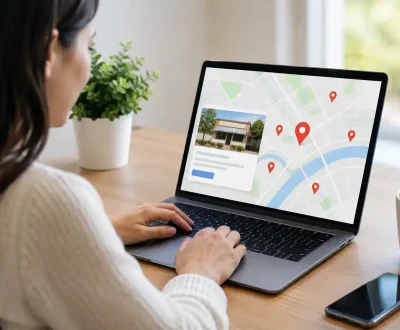
Roofing is a local, trust-heavy purchase. A homeowner searching for "roof repair near me" or "roof replacement in Jacksonville" is likely to compare the companies that appear in Google Maps, organic results, and paid placements. If your business information is incomplete or inconsistent, even a sizable ad budget can underperform.
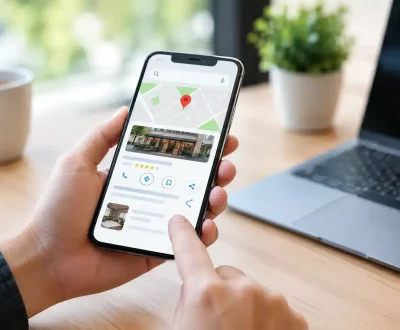
Start with your Google Business Profile. Select accurate primary and secondary categories, define every service you offer, maintain current hours, and use a local phone number that is answered during business hours. Add original photos of completed roofs, crews, vehicles, before-and-after work, and your team. Stock imagery may look polished, but it does little to prove that you work in the communities you want to serve.
Your service area should be specific. A contractor serving Jacksonville, St. Johns, Ponte Vedra, and nearby Northeast Florida communities needs location signals that match those markets. Do not create thin pages for every neighborhood simply to chase rankings. Build useful local pages where you have real experience, service capacity, project examples, and relevant customer proof.
Consistency also matters across your website, Google Business Profile, social profiles, and local directories. Your business name, address, phone number, and website details should match. Conflicting information makes it harder for search engines and homeowners to verify your business.
How to Generate Roofing Leads Through Search Visibility
Search engine optimization works best when it is built around the services homeowners actually need. A broad homepage that says you are a full-service roofer is necessary, but it is rarely enough to compete for valuable searches.
Create focused service pages for work such as roof repair, roof replacement, storm damage, emergency roofing, commercial roofing, shingle roofing, metal roofing, and roof inspections. Each page should explain the problem, your process, the materials or systems involved, service-area relevance, and the action a prospect should take. A page should answer practical questions, not repeat a city name until it becomes unreadable.
Content can also capture earlier-stage demand. Homeowners may search for signs of roof leaks, whether storm damage requires an inspection, how long a roof replacement takes, or whether insurance may cover wind damage. Helpful answers position your business as a credible local option before the prospect is ready to request an estimate.
Technical SEO supports that content. Fast page performance, mobile usability, clean site architecture, secure hosting, and structured data help search platforms understand your business and serve visitors effectively. Roofing companies should also consider schema markup for local business details, services, reviews, FAQs, and service areas where appropriate. This does not guarantee rankings, but it gives search engines clearer context.
AI-powered search results add another reason to publish direct, well-organized information. Answer engines and generative search tools are more likely to reference content that clearly explains services, locations, qualifications, and common customer questions. Generative engine optimization is not a replacement for traditional SEO or Maps visibility. It extends the same discipline: make your expertise easy for both people and search systems to understand.
Turn Your Website Into a Lead-Conversion Tool
A roofing website should not function like a digital brochure. It should help a worried homeowner decide, quickly, that your company is qualified and responsive.
Every key page needs a visible next action: call now, request an inspection, schedule an estimate, or submit storm-damage details. On mobile, a tap-to-call button should stay easy to find. Forms should ask for enough information to qualify the request without creating friction. Name, address, phone number, service needed, and a short description are usually sufficient for an initial conversation.
Trust elements belong near the decision point, not buried on an About page. Display licensing and insurance information where applicable, manufacturer certifications, financing availability, warranties, review highlights, project photos, and clear service-area details. If you specialize in insurance claims, explain what support you provide without making promises you cannot control.
Speed matters after the form submission as much as it does on the website. A lead that waits until tomorrow may call three other roofers today. Set expectations with a confirmation message, route inquiries to the right team member, and establish a standard for answering calls and returning missed calls. Marketing can create demand, but operations determine whether that demand becomes revenue.
Use Paid Search for Immediate, Intent-Driven Demand
Google Ads can generate roofing leads quickly, particularly for repair, replacement, emergency, and storm-related searches. It is most effective when campaigns are organized around specific services and locations rather than one generic ad group for every roofing need.
The trade-off is cost. Roofing keywords can be expensive, especially after severe weather or during active storm seasons. A campaign that sends all traffic to the homepage often burns budget because it gives visitors too many paths and too little reassurance. Send repair searches to a repair page, replacement searches to a replacement page, and emergency searches to a page that confirms response availability.
Use location targeting carefully. A large radius may create more inquiries, but it can also produce leads outside your practical service territory. Track calls, form submissions, booked inspections, estimates issued, and closed jobs - not only clicks. The lowest cost per lead is not always the best result if those leads are price shoppers, outside your service area, or impossible to reach.
Local Services Ads may also be worth testing for eligible roofing businesses. They can place your company prominently for service searches, but lead quality, availability, and cost vary by market. Treat them as one channel within a measured lead-generation plan, not as the entire plan.
Reviews Create the Confidence That Search Rankings Cannot
Roofing prospects are often making a major financial decision under stress. Strong reviews make your company feel safer to contact. They also support local visibility and help distinguish you when several contractors appear in the Map Pack.
Make review requests part of the completed-job process. Ask when the customer has seen the finished work and is most likely to comment on the experience. A simple message from the project manager or office team is often more effective than a generic, delayed email campaign.
Do not chase reviews through incentives or only solicit feedback from customers you expect to be happy. Focus on delivering a review-worthy experience: clear estimates, reliable scheduling, jobsite cleanliness, responsive communication, and professional follow-through. Then respond to reviews with specifics while protecting customer privacy. A thoughtful response shows future customers that your company is present after the sale.
Measure Which Roofing Leads Become Profitable Jobs
Lead volume can hide weak performance. A company may receive 60 inquiries in a month and still have a poor return if calls go unanswered, estimates are not followed up, or the leads are concentrated in low-value repairs the team does not want.
Track each lead from source to outcome. At a minimum, record whether it came from Google Maps, organic search, paid search, referral, social media, or another channel; whether it was qualified; whether an inspection was scheduled; the estimate value; and whether the job closed. Call tracking and CRM reporting make this far more reliable than guessing based on website traffic.
Review the data monthly. If Google Maps produces fewer leads than paid ads but closes at a higher rate, local SEO may deserve greater investment. If a storm campaign generates calls but few inspections, refine the targeting, ad message, or landing page. Marketing decisions should follow revenue patterns, not vanity metrics.
The best roofing lead strategy is rarely one tactic. It is a connected system that helps local homeowners find you, believe you, contact you, and receive a timely response. Start by fixing the point where good prospects currently fall out of that system. That is often where the next booked job is waiting.
About us and this blog
We are a digital marketing company with a focus on helping our customers achieve great results across several key areas.
Request a free quote
We offer professional SEO services that help websites increase their organic search score drastically in order to compete for the highest rankings even when it comes to highly competitive keywords.
Subscribe to our newsletter!
More from our blog
See all posts