A homeowner asks an AI assistant, “Who can repair a leaking roof near me?” A prospective client asks which Jacksonville bookkeeping firm works with small businesses. The answer may not begin with ten blue links. It may be a short recommendation built from web content, business profiles, reviews, service information, and trusted third-party sources. A generative engine optimization agency helps position your business to be understood, cited, and recommended in those AI-generated answers.
For local businesses, this is not a reason to abandon SEO, Google Maps, or a well-built website. It is a reason to make those assets more accurate, connected, and useful. AI search visibility is becoming another path between a customer question and a qualified call, booked job, or consultation.
What Generative Engine Optimization Actually Means
Generative engine optimization, often called GEO, is the practice of improving how a business appears in responses created by AI-powered search and answer platforms. These systems may synthesize information from multiple sources instead of simply displaying a list of webpages. Their goal is to answer the user’s question directly, which changes how businesses need to present information online.
Traditional SEO still matters because search engines need clear, relevant, authoritative pages to rank. Local SEO still matters because customers need accurate location, category, review, and service information when they search nearby. GEO builds on that foundation by making it easier for generative systems to identify what your company does, where you serve, why you are credible, and which customer needs you can solve.
That work includes clear service pages, well-organized site content, structured data and schema markup, consistent business information, useful FAQs, strong Google Business Profile management, and evidence of real-world authority. It also requires restraint. Publishing large volumes of vague AI-written content will not make a business more trustworthy to customers or answer engines. Specificity does.
Why AI Search Visibility Matters for Local Businesses
A local customer rarely searches only for a company name. They search for a solution: emergency pest control, a dog groomer that handles anxious pets, an estate planning attorney, or a landscaper for drainage problems. Generative search experiences are built for these detailed questions.
When an AI platform has enough reliable information, it can connect a business with the context behind the question. A roofing company may be surfaced not simply because it uses the phrase “roof repair,” but because its website clearly explains storm damage inspections, leak detection, insurance-related documentation, service areas, response times, and customer feedback. That context gives a recommendation more substance.
The opportunity is meaningful, but it is not automatic. AI-generated answers can vary by platform, user location, question wording, and available sources. A business cannot control every response or guarantee a citation. The practical goal is to strengthen the digital signals that make your company a credible candidate whenever relevant questions are asked.
What a Generative Engine Optimization Agency Should Do
A capable generative engine optimization agency should not treat GEO as a stand-alone trick. It should connect AI search work to the digital assets that already drive visibility and leads.
Start with the information customers need
The first question is not, “How do we rank in an AI answer?” It is, “What does a customer need to know before choosing us?” For a local service business, that may include the types of work performed, neighborhoods served, licensing or certifications, financing options, emergency availability, project process, and realistic expectations.
Those details should appear clearly on the website in language customers understand. Thin service pages and generic claims such as “best quality” provide little useful context. Detailed pages that answer real questions give both people and search systems more to work with.
Build a website that machines and people can interpret
A polished website is valuable, but appearance alone does not create discoverability. Page structure, headings, internal organization, mobile usability, loading performance, and clear calls to action all affect whether visitors can use the site and whether search systems can interpret it.
Structured data adds another layer of clarity. Schema markup can identify a business, its services, service areas, reviews, FAQs, contact details, and other relevant entities in a format search engines can more reliably process. It does not guarantee an AI mention, but it reduces ambiguity and supports the broader visibility strategy.
For example, a Jacksonville lawn care provider should not force visitors to infer whether it offers fertilization, weed control, irrigation repair, or pest treatments. Service details should be explicit, organized, and consistent with the company’s Google Business Profile and other established listings.
Strengthen local authority signals
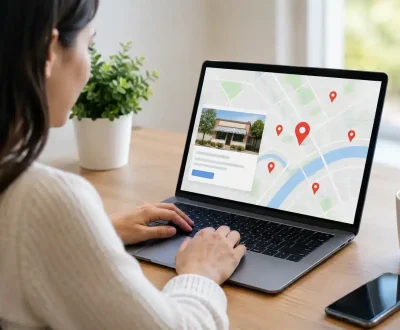
For businesses that depend on calls and appointments from a defined service area, local proof matters. Google Business Profile accuracy, current hours, categories, service descriptions, photos, review responses, and regular updates all help reinforce that the business is active and relevant.
Reviews deserve special attention. They are not just star ratings. Detailed customer feedback often describes the exact work performed, the service area, the customer experience, and the outcomes delivered. A steady, ethical review process can strengthen consumer confidence while adding real-world context that supports local visibility.
Authority also comes from consistency across the web. Conflicting addresses, old phone numbers, unclear service areas, or outdated descriptions create friction. An optimization plan should identify and correct those gaps before chasing more advanced tactics.
Create content for questions, not just keywords
Keyword research remains useful, but customer questions are often more valuable than isolated phrases. A pest control company may want visibility for “termite treatment,” yet prospects may ask whether termites are active in winter, how quickly treatment can begin, or whether a certain service is safe around pets.
Useful content addresses those concerns directly. This can include service pages, project examples, location-specific guidance, comparison pages, and carefully chosen FAQs. The goal is not to answer every imaginable question with filler. It is to publish accurate information that reflects the company’s actual expertise and helps a customer take the next step.
Measuring GEO Beyond Mentions
An AI citation or brand mention can be encouraging, but it is not the whole scorecard. Local businesses need to know whether increased visibility is producing commercial value.
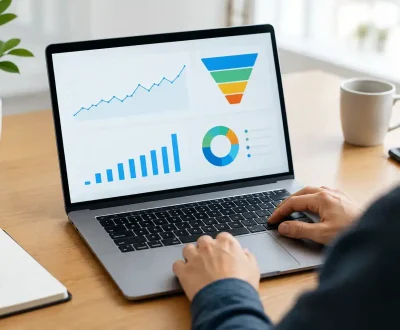
A practical reporting approach tracks traditional organic rankings and Map Pack performance alongside website engagement, form submissions, calls, appointment requests, and lead quality. It can also monitor the types of AI questions where the business is represented, whether the information is accurate, and whether competitors are consistently appearing for high-intent queries.
Attribution will not always be perfect. A customer may see a business in an AI answer, search the company name later, and call from a phone number on the website. That is why broader trend analysis matters. If qualified leads, branded searches, local visibility, and conversion rates improve together, the strategy is doing more than producing a screenshot.
Where GEO Fits in a Complete Marketing Plan
GEO works best when the fundamentals are already moving in the right direction. A business with a slow, confusing website, weak reviews, incomplete service pages, and inconsistent listings should fix those issues first. AI search optimization cannot compensate for unclear positioning or poor customer experience.
For established businesses, GEO can help organize years of experience into a more discoverable digital presence. For newer companies, it can establish clean information architecture and local credibility from the start. The right investment depends on competition, service area, sales cycle, and how much of the buying journey begins with research versus an urgent need.
Kelly Advantage approaches generative search as part of a connected growth system: usable web design, search optimization, local visibility, structured data, content, and conversion-focused measurement. That integrated approach matters because a customer does not care which channel introduced them to your business. They care whether they found a trustworthy company and could easily request service.
AI-powered search will keep changing, but the businesses most likely to benefit will not be those chasing every new feature. They will be the ones that make it easy to verify who they are, what they do, where they work, and why customers should choose them. Start there, and every new search experience has a better chance of becoming a real business opportunity.
About us and this blog
We are a digital marketing company with a focus on helping our customers achieve great results across several key areas.
Request a free quote
We offer professional SEO services that help websites increase their organic search score drastically in order to compete for the highest rankings even when it comes to highly competitive keywords.
Subscribe to our newsletter!
More from our blog
See all posts