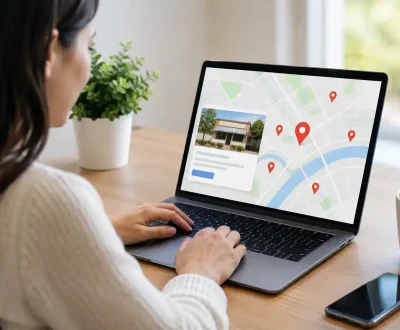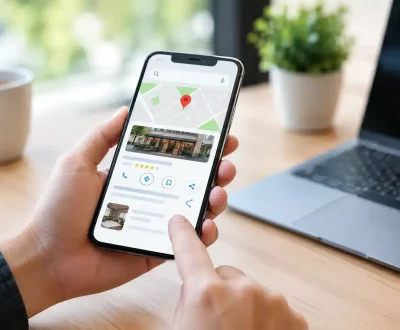
A Google Business suspension can turn a dependable source of calls, direction requests, and booked jobs into a blank spot in local search overnight. For a Jacksonville contractor, law firm, restaurant, or service business, that disruption is more than an account issue. It can remove a key conversion point when nearby customers are actively comparing providers in Google Maps.
The right response is not to create a replacement listing, guess at changes, or submit repeated appeals. Those actions can create duplicate-profile problems and make a straightforward reinstatement harder. A better approach is to identify the type of suspension, correct the underlying policy concern, document that the business is legitimate, and submit one clear reinstatement request.
What a Google Business suspension means
Google Business Profile suspensions typically fall into two practical categories. A soft suspension leaves the profile visible to the public but limits the owner's ability to manage it. You may lose the ability to edit business details, respond to reviews, publish updates, or access profile features through the account.
A hard suspension usually removes the profile from Google Search and Google Maps. Customers may no longer find it by searching the business name or category, and the business can disappear from Map Pack results. For companies that depend on calls from local searches, this can quickly affect lead volume.
Suspension notices do not always identify every exact trigger. That is why the reinstatement process requires careful review rather than a quick edit. Google is protecting searchers from misleading locations, duplicate listings, impersonation, and inaccurate business information. A legitimate business can still be suspended if its profile sends conflicting signals.
Common reasons Google suspends a Business Profile
The most frequent issues involve location, eligibility, business identity, or profile changes that do not align with Google's guidelines. A service-area business may list a residential address publicly even though customers do not visit that location. A storefront may use a virtual office, coworking space, UPS box, or temporary location that does not qualify as a staffed, customer-facing business location.
Business names are another regular source of trouble. The listing name should match the real-world name used on signage, legal records, vehicles, and the website. Adding city names, service keywords, or promotional language such as "Best Roofing Jacksonville" can improve visibility only briefly, if at all. It can also lead to a suspension when the name cannot be verified.
Other common causes include:
- Multiple profiles for the same business, practitioner, or location
- A sudden address, name, category, or ownership change
- An online-only business that does not meet profile eligibility requirements
- A business listed at an address shared with another company without clear signage or separate operations
- A mismatch between the profile, website, licensing records, phone number, and supporting documents
Not every suspension means someone intentionally violated a rule. An agency transition, office move, merger, rebrand, or profile cleanup can trigger automated review. The key question is whether every public signal now tells the same, verifiable story about the business.
Service-area businesses need special care
Many local companies serve customers at their homes or workplaces rather than at a public office. Plumbers, landscapers, pest control companies, mobile pet groomers, and similar businesses can use a Google Business Profile, but they need to set it up correctly.
If customers do not regularly visit the address during stated business hours, the address should generally be hidden and service areas used instead. Service areas should reflect the places the business actually serves, not a long list of cities added solely to capture rankings. Google Maps visibility is strongest when the profile is accurate, well-supported, and relevant to the local market, not when it attempts to cover an unrealistic footprint.
How to respond to a Google Business suspension
First, pause all unnecessary edits. Do not create a new profile for the same business while the original listing is suspended. Do not ask employees, friends, or vendors to create duplicate listings. Preserve the profile's history, reviews, and verification trail while you evaluate the issue.
Next, review the information visible across the business's digital presence. Check the business name, address, suite number, primary phone number, categories, hours, service areas, and website. Compare those details with what appears on official documents and the real-world location. A roofing company that recently changed from a home address to a commercial office, for example, should ensure its website contact page, local citations, signage, state records, and profile all support the same current information.
Then gather documentation before submitting an appeal. Google may request evidence that the business exists and operates where it claims to operate. Useful records can include a business license, tax registration, utility bill, lease, insurance document, photos of permanent exterior signage, branded work vehicles, or photos showing the workspace. The document should clearly connect the business name and address to the profile details whenever possible.
Avoid altering documents, using another company's paperwork, or submitting records that conflict with the listing. More documentation is not automatically better. Clear, current evidence that directly addresses the business identity and location is more persuasive than a stack of unrelated files.
Submit a focused reinstatement request
Once the profile information is accurate and supporting materials are ready, use Google's reinstatement process through the profile management account. Explain the correction plainly. State what changed, why the current profile information is accurate, and which documents support it.
For example, a concise request might explain that the business moved to a staffed commercial office, updated its address to match the lease and exterior signage, and attached the documents requested. Avoid emotional language, broad claims about lost revenue, or repeated submissions with different explanations. Google needs evidence of guideline compliance, not a sales case for why the profile should rank.
Response timing varies. During that period, continue serving customers and protect other lead sources. Keep the website contact forms, call tracking, paid advertising, social profiles, and organic local SEO working. A suspended profile creates urgency, but it also exposes why a business should not rely on one platform alone for all local lead generation.
What not to do while the profile is suspended
The fastest-looking fixes often create longer delays. Do not open a new listing at the same address under a slightly different name. Do not change the business name just to include more keywords. Do not use a friend's office or a mailbox address to meet location requirements. Do not purchase reviews or ask for reviews to be posted from accounts connected to the business.
It is also unwise to make major profile edits while an appeal is under review unless Google specifically asks for a correction. Changing several fields at once can make it harder to show what was fixed. Keep a record of the original suspension notice, dates of changes, screenshots, submitted documents, and appeal language. That record is valuable if the case requires follow-up.
Prevent another suspension with stronger local signals
A reinstated profile needs ongoing governance. Assign profile access to the business owner and only the team members or marketing partners who need it. Keep ownership and manager permissions current when staff or vendors change. This prevents accidental lockouts and makes it easier to respond if Google requests verification.
Build consistency across the local search ecosystem. The business name, address, and phone number should agree across the website, Google Business Profile, major directories, social pages, and structured data. For multi-location businesses, each location should have its own legitimate landing page, accurate operating details, and distinct proof of real operations.
Profile optimization still matters after reinstatement, but it should be rooted in facts. Add current photos, select precise categories, describe actual services, maintain accurate hours, respond professionally to reviews, and publish updates that reflect real offers or work. These signals support prominence and trust without creating policy risk.
For businesses with complex setups, such as shared offices, practitioner listings, home-based operations, or service-area teams, it helps to establish the profile strategy before making changes. Kelly Advantage often sees avoidable local visibility losses when a company rebrands, relocates, or changes marketing providers without coordinating the website, Google Maps listing, citations, and documentation.
A Google Business suspension is disruptive, but it is also a prompt to tighten the foundation behind local visibility. When your listing accurately reflects a real business, your website supports the same information, and your lead generation extends beyond a single profile, recovery becomes more manageable and future growth is far less fragile.
About us and this blog
We are a digital marketing company with a focus on helping our customers achieve great results across several key areas.
Request a free quote
We offer professional SEO services that help websites increase their organic search score drastically in order to compete for the highest rankings even when it comes to highly competitive keywords.
Subscribe to our newsletter!
More from our blog
See all posts