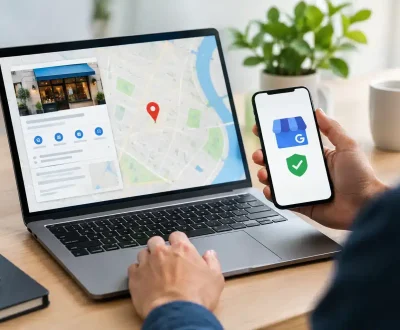
A Jacksonville roofing company may get 40 calls in a month from Google, but the owner still cannot answer the question that matters: which marketing investment produced the 12 estimates that turned into jobs? The best call tracking software closes that gap. It identifies where calls originate, connects conversations to campaigns, and gives local businesses a clearer view of what is driving qualified leads.
For businesses that rely on phone calls - contractors, law firms, pest control companies, medical practices, hospitality groups, and professional services - this is not simply a reporting upgrade. It is a way to stop judging marketing by clicks alone. A strong call tracking platform can show whether Google Ads, organic search, Map Pack visibility, Google Business Profile activity, or a specific landing page is producing calls worth pursuing.
What the Best Call Tracking Software Should Do
At a basic level, call tracking assigns unique phone numbers to marketing channels. A visitor who reaches your website through a paid search ad may see one number, while a visitor from organic search sees another. This is usually handled through dynamic number insertion, which changes the displayed number based on the visitor's source without requiring a separate website for every campaign.
That baseline feature is valuable, but it is not enough by itself. Businesses need to know whether a call was a new prospect, an existing customer, a spam call, a wrong number, or a genuine opportunity. The right system combines attribution with call details, recording controls, lead qualification, reporting, and integrations with the platforms already guiding your marketing decisions.
For a local-service business, prioritize these capabilities:
- Dynamic number insertion for website visitors from SEO, paid ads, social media, referrals, and email campaigns.
- Source-level attribution that identifies the keyword, campaign, landing page, Google Business Profile action, or referral source behind a call.
- Call recording, transcription, and AI conversation analysis to evaluate lead quality and team performance.
- Integrations with Google Ads, Google Analytics 4, customer relationship management platforms, scheduling tools, and reporting dashboards.
- Offline conversion reporting that sends qualified calls and booked jobs back to Google Ads for stronger optimization.
The value comes from the full chain of evidence. A report saying that an ad generated 25 calls is helpful. A report showing that 10 of those callers requested estimates, six booked appointments, and three became customers is far more useful.
Best Call Tracking Software Options to Compare
There is no single platform that is best for every business. A one-location landscaping company with a modest advertising budget has different needs than a multi-location legal practice managing several hundred calls each week. The following platforms are among the strongest options, depending on your scale, reporting needs, and marketing stack.
CallRail: Strong Choice for Most Local Businesses
CallRail is often a practical starting point for small and midsize businesses because it balances attribution, usability, and integrations. It supports dynamic number insertion, call recording, form tracking, call transcription, lead tagging, and reporting that marketing teams can use without building a custom analytics system.
It is particularly effective for businesses running Google Ads alongside local SEO. A marketing team can compare calls from paid campaigns with calls from organic landing pages, then review which sources are delivering real inquiries. Its conversation intelligence features can also identify topics and outcomes from calls, helping businesses spot missed opportunities or common questions that should be answered on service pages and FAQs.
The trade-off is that costs can rise as call volume, tracking numbers, conversation intelligence, and additional features increase. It is important to scope the setup around meaningful channels rather than tracking every phone number without a reporting plan.
WhatConverts: Best for Lead Reporting Across Calls and Forms
WhatConverts is a strong fit for companies and agencies that need to report on more than phone calls. It brings together calls, web forms, chats, and transactions so teams can see a broader picture of lead generation.
For a business investing in search optimization, paid media, and a new website, this can be useful. Instead of treating a form submission and a phone call as unrelated events, the platform can help organize them by source, service, lead quality, and sales outcome. That makes it easier to calculate cost per qualified lead rather than cost per click.
Its reporting depth can be more than a business owner needs for a simple campaign. The platform works best when someone is consistently assigning lead values, reviewing outcomes, and using the data to make budget decisions.
CallTrackingMetrics: Best for Complex Routing and Automation
CallTrackingMetrics is well suited to organizations with more involved call flows. Multi-location businesses, service companies with separate departments, and teams that need advanced routing, appointment workflows, or CRM automation may find its flexibility especially useful.
For example, a home-services company can route calls based on location, service type, business hours, or staffing availability. That improves the customer experience while preserving attribution. The platform also offers tools that can help connect calls to sales processes and follow-up activity.
That flexibility comes with a learning curve. A poorly planned setup can create confusing reports, unnecessary tracking numbers, and call routing that frustrates both staff and prospects. It is a better choice when the business has a clear intake process and someone responsible for maintaining it.
Invoca: Best for Enterprise-Level Conversation Intelligence
Invoca focuses heavily on AI-powered conversation intelligence and enterprise attribution. It can help larger organizations analyze high call volumes, identify caller intent, and use conversation data to improve media buying, sales processes, and customer experience.
This level of analysis can be valuable for organizations with large paid-media budgets, multiple locations, contact centers, or a formal sales operation. It is generally more platform than a small local business requires, however. If your team is still deciding who answers calls or whether leads are entered into a CRM, solve those operational basics first.
Marchex: Best for Larger Multi-Location Operations
Marchex is another option built for enterprise and multi-location businesses, particularly those that need detailed call analytics across a distributed operation. It can help leadership teams compare performance by market, location, campaign, and agent behavior.
For a growing regional brand, that visibility can uncover problems that standard analytics misses. One location may generate plenty of calls but convert fewer of them because calls are not answered quickly or staff members are not consistently booking appointments.
For a single-location company, the investment and implementation effort may outweigh the benefit. Simpler tools can produce more actionable reporting with less administrative overhead.
Attribution Is Only Useful If the Numbers Stay Honest
Call tracking can create misleading data when it is implemented carelessly. The most common issue is counting every call as a lead. Existing clients calling about an invoice, vendor calls, robocalls, and accidental dials can make a campaign appear more successful than it really is.
Set clear lead categories from the start. A new inquiry, qualified service request, booked appointment, estimate, sale, and non-lead call should be treated differently. Review a sample of calls regularly, especially during the first few months. This will show whether automatic tags are accurate and whether your team is handling high-value calls effectively.
Phone calls also have legal and privacy implications. Florida is an all-party consent state for recording private conversations in many circumstances. Businesses should provide appropriate recording disclosures, confirm their practices with qualified legal counsel, and limit access to sensitive recordings. Call tracking should strengthen accountability, not create avoidable risk.
How Call Tracking Supports SEO, Maps, and Paid Advertising
The strongest use of call tracking is not choosing one channel over another. It is understanding how channels work together. A prospect may first see a Google Ad, later search your company name, read reviews on your Google Business Profile, and then call from an organic service page. A last-click report can miss much of that journey.
This is why businesses should evaluate call tracking alongside website analytics, Google Business Profile insights, form leads, appointment data, and closed revenue. Use separate tracking numbers where they clarify a channel, but preserve a consistent primary business number across important listings. Your Google Business Profile, directories, and website should not present conflicting business information.
For SEO, call transcripts can reveal the language customers actually use. If callers repeatedly ask about emergency repair, financing, same-day service, or a particular neighborhood, those patterns can inform service-page copy, local landing pages, FAQs, and paid search messaging. The same insights can support structured data and content designed for traditional search results and AI-powered answer platforms.
Choose a Platform Around Your Sales Process
Before purchasing software, map what happens after the phone rings. Who answers? How quickly? Where is the lead documented? What qualifies as a booked job? Can your team connect the finished sale back to the original call?
A platform with excellent attribution cannot fix unanswered calls, slow follow-up, or a CRM that no one uses. Start with the reporting questions that affect real decisions: Which campaigns generate qualified calls? Which locations need better call handling? Which services produce the highest-value jobs? Then select software that can answer those questions without burying your team in dashboards.
The right call tracking system turns marketing reporting into operational insight. When calls, appointments, and revenue are connected, you can invest more confidently in the visibility that produces real opportunities - and improve the experience that turns those opportunities into long-term customers.
About us and this blog
We are a digital marketing company with a focus on helping our customers achieve great results across several key areas.
Request a free quote
We offer professional SEO services that help websites increase their organic search score drastically in order to compete for the highest rankings even when it comes to highly competitive keywords.
Subscribe to our newsletter!
More from our blog
See all posts