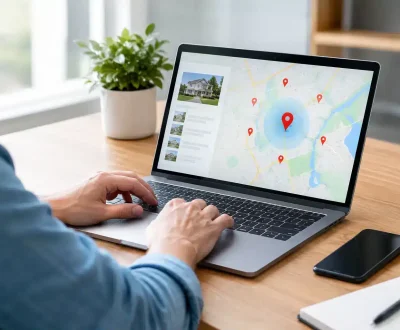
A homeowner searches for a roofer, clicks your Google Business Profile, visits your website, and calls from a mobile device. If that call becomes a $12,000 project but appears in reporting only as “direct traffic,” your marketing data is leaving out the most valuable part of the story. To track website phone call leads accurately, businesses need to connect each call to the channel, campaign, and page that influenced it.
For Jacksonville and Northeast Florida service businesses, calls are often the primary conversion. A prospect with a leaking roof, a pest issue, or an urgent legal question is unlikely to fill out a form and wait. They call the company that looks credible, appears nearby, and makes it easy to get help. Measuring those calls turns marketing from a collection of activity reports into a system for finding more qualified leads and booked jobs.
Why phone call attribution changes marketing decisions
Website sessions, keyword rankings, and ad clicks are useful indicators, but they do not answer the question an owner needs answered: Which marketing investment is producing real opportunities?
A call tracking system can show whether a prospect came from organic search, Google Maps, paid search, a social campaign, a referral site, or a direct visit. With the right setup, it can also identify the landing page viewed before the call, the marketing campaign that brought in the visitor, the call duration, and whether the caller was a legitimate prospect.
That distinction matters. A campaign that produces 40 short calls from job seekers, vendors, or existing customers is not necessarily outperforming a campaign that produces 12 conversations with high-value homeowners. Call volume alone can be misleading. Qualified calls, appointments, estimates, and closed revenue are stronger measurements.
There is a trade-off: detailed attribution requires thoughtful configuration and ongoing review. It is not a switch you turn on once and forget. But without it, businesses can easily cut the channels that are quietly generating their best leads or overfund channels that produce attention without action.
Start with a clear definition of a qualified call
Before selecting technology, decide what counts as a lead for your business. A landscaping company may count an in-service-area request for an estimate. A law firm may count a prospective client seeking help with a relevant matter. A restaurant may treat reservations and event inquiries differently from general questions about hours.
Set practical categories that your team can apply consistently. Common call outcomes include qualified new lead, booked appointment, estimate scheduled, existing customer, vendor or sales solicitation, job applicant, wrong number, and missed call. The exact labels should match how your business sells.
This step is where tracking becomes useful to operations, not just marketing. If office staff mark calls differently each week, reports lose credibility. Give the person answering calls a simple process for recording outcomes in the call tracking platform, CRM, or intake system.
Measure quality alongside quantity
Call duration can provide a helpful signal, but it is not a verdict. A 20-second call may be an excellent lead if the prospect books online after confirming availability. A 10-minute call may be a poor fit. Listen to a representative sample of calls, review the dispositions, and compare them with booked work and revenue.
For businesses with longer sales cycles, connect the initial call to the final outcome whenever possible. A commercial services prospect might not become a customer for months. Assigning that revenue back to the original source provides a far more accurate view of return on investment.
Use dynamic number insertion on your website
Dynamic number insertion is the foundation of website call attribution. It displays a different tracking phone number based on how a visitor reached your website while routing every call to your regular business line or answering team.
For example, a visitor arriving through a Google Ads campaign can see one number, while a visitor from organic Google search sees another. A separate number can be used for traffic from Google Business Profile, paid social, or a specific print campaign. The visitor receives the same professional experience. Your business receives source-level reporting.
A common concern is whether tracking numbers hurt local SEO or confuse customers. They do not need to, provided the system is configured correctly. Your primary business number should remain consistent in core business listings, especially your Google Business Profile. Tracking numbers are typically used on the website and campaign destinations, with the underlying business number preserved where appropriate.
Avoid using one tracking number for every channel. It will tell you that calls happened, but not what generated them. At the same time, do not create so many numbers and source labels that no one can interpret the report. The right level of detail depends on your marketing mix and budget.
Connect calls to analytics, ads, and your CRM
Call tracking should not sit in a separate dashboard that nobody checks. It should support the systems used to make marketing and sales decisions.
Start by sending qualified call events into your analytics platform. This allows phone leads to appear alongside form submissions, online bookings, chat conversations, and other website conversions. Configure meaningful events, such as calls lasting longer than a reasonable threshold, rather than counting every accidental tap on a phone number as a completed lead.
For paid search, send qualified call conversions back to the ad platform. This improves reporting and can help bidding strategies prioritize campaigns that produce conversations instead of low-intent clicks. Be cautious with automated bidding until conversion definitions are clean. If every call is counted as a success, the system may optimize toward inexpensive but irrelevant calls.
Your CRM or lead management system should capture the source, campaign, call recording or summary where allowed, outcome, and follow-up status. When a call becomes an estimate or a signed job, the team should be able to trace the path back to the original marketing source.
Give Google Business Profile calls their own attention
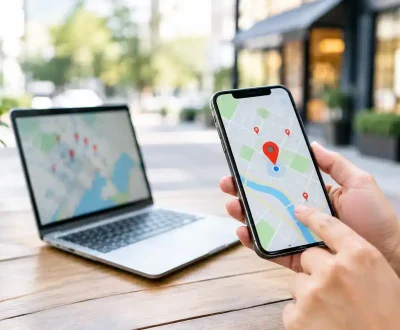
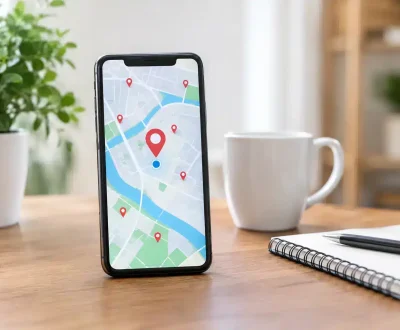
Google Business Profile is a major call driver for local businesses, especially for mobile searches with immediate intent. A user searching “pest control near me” may call directly from the Map Pack without visiting the website at all.
Track these calls separately from website calls. Review them alongside profile visibility, direction requests, website clicks, review volume, service categories, photos, and local rankings. A strong Google Business Profile can generate valuable calls even when its contribution is not obvious in standard website analytics.
Review the calls, not just the dashboard
Automated reports are useful, but the conversation itself is often where the insight lives. Periodically review a sample of recorded calls or call summaries, following applicable consent and privacy requirements. Look for patterns: Are callers asking for services that are not clearly described on the site? Are they outside your service area? Are paid ads attracting the wrong type of work? Are calls going unanswered during busy periods?
This review can improve far more than attribution. It can shape website copy, service pages, FAQs, ad targeting, office procedures, and staffing. If callers repeatedly ask whether you serve Ponte Vedra or St. Johns, make that information easier to find. If they ask for a service you offer but barely promote, build a focused page around it.
Missed calls deserve immediate attention. A missed call from a high-intent prospect is not merely a reporting issue. It is a lost chance to earn a customer. Use notifications, call routing, after-hours coverage, and prompt callbacks to protect the leads your marketing has already paid to generate.
A practical setup for reliable call lead tracking
A reliable system usually includes these five components:
- Dynamic number insertion that identifies website traffic sources.
- Call tracking numbers assigned to major campaigns and channels.
- Analytics events for meaningful phone conversions.
- CRM or intake fields that record call quality and sales outcomes.
- Monthly review of qualified calls, missed calls, appointments, and revenue.
For many small and midsize businesses, this is enough to make better decisions quickly. More complex organizations may add multi-location routing, offline conversion imports, sales pipeline automation, or call intelligence tools. The goal is not to collect every possible data point. The goal is to know where qualified calls come from and what to do next.
Common mistakes that make call reports unreliable
The most common mistake is treating all calls as leads. Separate new prospects from spam, existing customers, and non-sales inquiries before evaluating channel performance.
Another is relying only on click-to-call events. A click suggests intent, but it does not prove the call connected or that the caller was qualified. Use actual call data where possible.
Businesses also lose visibility when they fail to tag campaigns consistently. Naming conventions for paid ads, email promotions, local sponsorships, and landing pages should be clear enough that reports remain understandable months later. Finally, make sure tracking is tested after a website redesign, number change, CRM update, or advertising launch. A beautiful new website is not a lead-generation upgrade if calls disappear from measurement.
Accurate call tracking gives business owners a clearer answer to a simple question: what is making the phone ring with the right customers? Kelly Advantage helps local businesses build that answer into their website, local visibility, advertising, and reporting systems so marketing decisions can be made with confidence - and each qualified call has a better chance of becoming a booked job.
About us and this blog
We are a digital marketing company with a focus on helping our customers achieve great results across several key areas.
Request a free quote
We offer professional SEO services that help websites increase their organic search score drastically in order to compete for the highest rankings even when it comes to highly competitive keywords.
Subscribe to our newsletter!
More from our blog
See all posts